

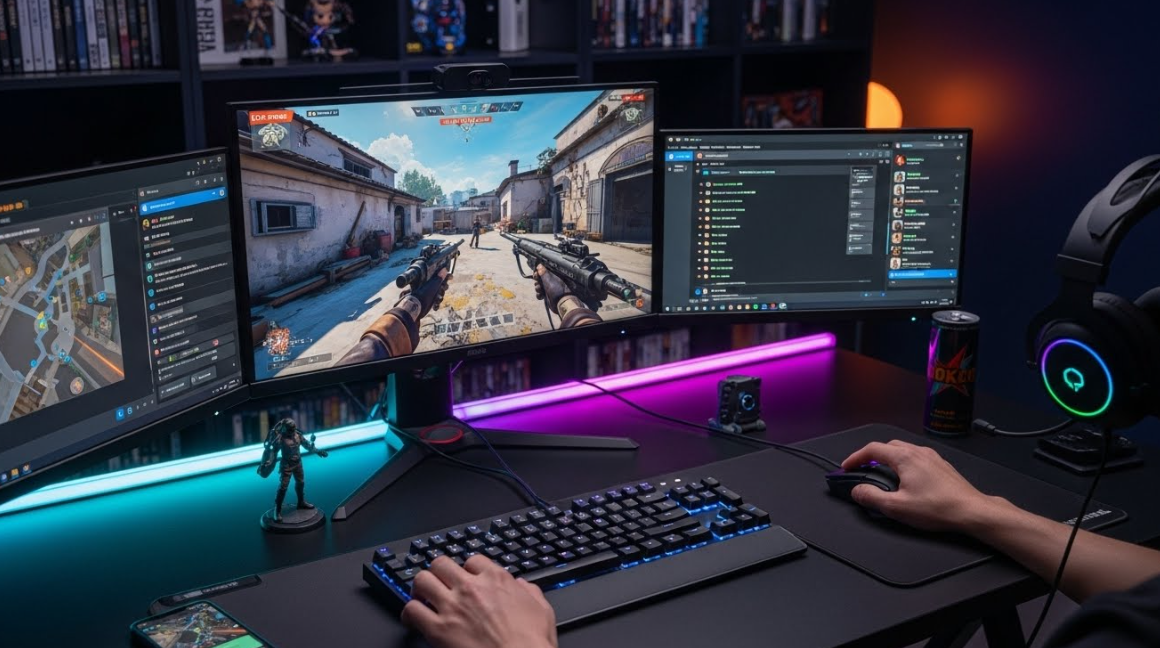
Online slot bet kecil has transformed from a niche hobby into one of the most influential forms of digital entertainment. Millions of people around the world now play games through computers, smartphones, tablets, and dedicated gaming consoles. What was once mainly associated with single-player experiences has evolved into a connected environment where players can compete, cooperate, communicate, and build communities in real time.
The growth of faster internet connections, powerful mobile devices, cloud technology, and advanced game development has made online gaming more accessible than ever. From competitive multiplayer games and massive virtual worlds to casual mobile titles, there is something available for almost every type of player.
The Evolution of Online Gaming
Online gaming has developed significantly over the past few decades. Early multiplayer experiences were relatively simple and often depended on local networks or basic internet connections. As broadband became more widely available, developers were able to create larger and more interactive online environments.
Modern games can support millions of players and provide continuously updated content. Developers regularly introduce new maps, characters, challenges, seasonal events, and features to keep players engaged. This ongoing model has changed the way games are designed and consumed.
Why Online Gaming Has Become So Popular
One of the biggest reasons behind the popularity of online gaming is accessibility. Players can connect with others from almost anywhere with an internet connection. Smartphones have further expanded the audience by allowing people to play without purchasing expensive gaming hardware.
Another important factor is variety. Players can choose from action games, sports simulations, strategy titles, role-playing games, racing games, survival experiences, and many other genres. This diversity allows online gaming to appeal to people with very different interests.
Social Interaction Through Games
Online games are no longer simply entertainment platforms. They have become social spaces where people communicate and develop friendships. Multiplayer games often include voice chat, messaging, teams, guilds, and communities.
Players may spend hours cooperating with friends to complete objectives or competing against opponents from different countries. For some people, gaming provides an important way to stay connected with friends who live far away.
The Growth of Competitive Gaming
Competitive online gaming has developed into a major entertainment industry. Players can participate in ranked matches, tournaments, and professional competitions. The rise of esports has created opportunities for talented players to compete professionally and attract large audiences.
Competitive gaming also encourages players to improve specific skills. Reaction time, strategic thinking, communication, decision-making, and teamwork can all play important roles in successful gameplay.
Mobile Gaming and Accessibility
Mobile gaming has played a major role in expanding the online gaming audience. Modern smartphones can run sophisticated multiplayer games that were once limited to computers and consoles.
Mobile games are particularly attractive because they can be played almost anywhere. Players can enjoy short sessions while traveling or spend longer periods participating in competitive matches. Free-to-play models have also made many games easier for new players to access.
Online Gaming and Technology
Technological progress continues to influence the gaming industry. Faster networks allow games to provide smoother multiplayer experiences, while improved graphics hardware makes virtual environments more realistic.
Cloud gaming is another developing area. Instead of relying entirely on local hardware, cloud gaming can process games on remote servers and stream gameplay to compatible devices. As internet infrastructure improves, this technology could make high-quality gaming accessible to a wider audience.
The Role of Gaming Communities
Gaming communities have become an important part of the online experience. Players communicate through forums, social media, streaming platforms, and dedicated community servers.
These communities allow players to share strategies, tutorials, news, modifications, and gameplay experiences. Some communities remain focused on a particular game for many years, creating strong social networks around shared interests.
Streaming and Online Gaming
Game streaming has changed how people consume gaming content. Instead of simply playing games themselves, audiences can watch other people play, learn strategies, follow competitions, or enjoy entertaining commentary.
Popular streamers can attract large audiences and build careers through content creation. Gaming videos, live broadcasts, reviews, tutorials, and highlights have become important parts of the broader gaming ecosystem.
Benefits of Online Gaming
When enjoyed responsibly, online gaming can provide several positive experiences. Multiplayer games can encourage teamwork and communication, while strategy-based titles may require planning and problem-solving.
Gaming can also provide entertainment and relaxation after work or study. Some games encourage creativity by allowing players to build structures, design environments, or create customized experiences.
For aspiring competitive players, online games can also provide opportunities to develop skills that may eventually lead to participation in esports or content creation.
Challenges Associated With Online Gaming
Despite its benefits, online gaming also has challenges. Excessive gaming can interfere with sleep, education, work, physical activity, and personal relationships. Maintaining a healthy balance is therefore important.
Online communities can also expose players to toxic behavior, harassment, scams, or inappropriate communication. Parents and younger players should understand privacy settings, reporting systems, and parental controls available within gaming platforms.
Responsible Gaming Habits
Healthy gaming begins with moderation. Players should take regular breaks, maintain a reasonable gaming schedule, and make time for sleep, exercise, education, work, and social activities.
It is also important to protect online accounts. Strong passwords, two-factor authentication, and careful handling of personal information can reduce security risks.
Players should also avoid suspicious links, unofficial downloads, and offers that appear too good to be true. Good digital security practices are just as important in gaming as they are elsewhere online.
The Future of Online Gaming
The future of online gaming is likely to become even more connected and immersive. Improvements in artificial intelligence, cloud computing, virtual reality, augmented reality, and network technology could introduce new forms of gameplay.
Artificial intelligence may help developers create more responsive characters, personalized experiences, and dynamic game worlds. Virtual and augmented reality could make multiplayer experiences feel more interactive by placing players inside digital environments.
At the same time, developers will need to address issues such as privacy, online safety, responsible monetization, and digital well-being.
Conclusion
Online slot server thailand has become a major part of modern digital culture. It combines entertainment, technology, competition, creativity, and social interaction in ways that were difficult to imagine in the early days of video games.
As technology continues to advance, online gaming will likely reach even more people and offer increasingly sophisticated experiences. The key for players is to enjoy these opportunities responsibly while maintaining a healthy balance between gaming and everyday life. With thoughtful development and responsible use, online gaming can continue to evolve as an engaging and valuable form of modern entertainment.
